If you have ever searched for ways to teach English abroad or online, you have probably encountered the term TEFL certification.
But what exactly is TEFL? What does a TEFL certificate qualify you to do? How many hours of training do you need? Can you get TEFL certified online? And perhaps most importantly, will a TEFL qualification actually help you find an English teaching job?
For someone entering the English teaching profession for the first time, the terminology can be confusing. You may come across TEFL, TESOL, ESL, EFL and courses ranging from a few hours to 120, 150 or even more hours.
This beginner’s guide explains what TEFL certification is, how TEFL courses work, what you learn, how long certification takes, and what to consider when choosing an online TEFL course.
What Does TEFL Mean?
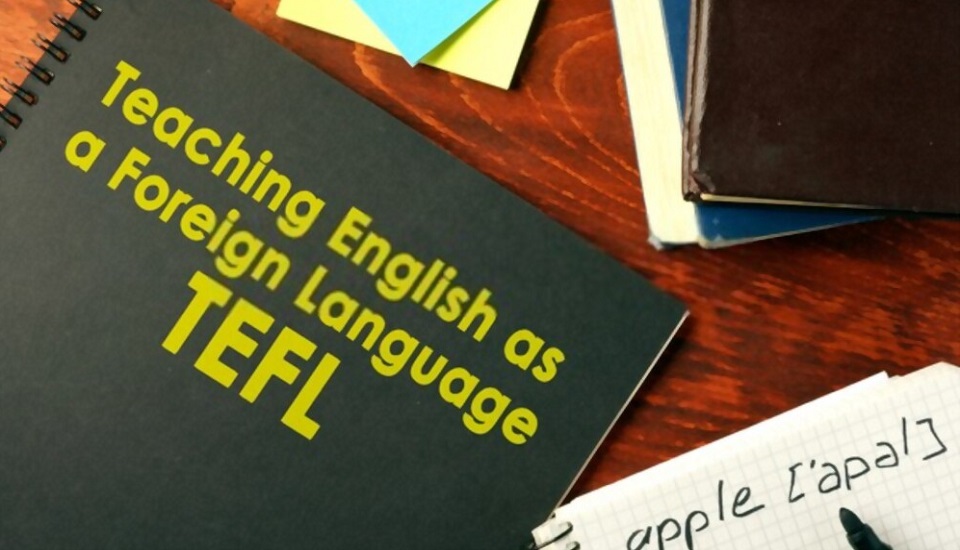
TEFL stands for Teaching English as a Foreign Language.
It generally refers to teaching English to people whose first language is not English, particularly in environments where English is not the primary language used in everyday life.
For example, an English teacher working with students in China, Thailand, Vietnam, Spain or Brazil may be described as a TEFL teacher.
The term can also be used more broadly for the professional training that prepares people to teach English internationally.
That is where TEFL certification comes in.
What Is a TEFL Certification?
A TEFL certification is a qualification demonstrating that you have completed training in teaching English as a foreign language.
Knowing how to speak English and knowing how to teach English are two very different things.
Imagine a student asks:
Why do we say “I have lived here for five years” instead of “I live here since five years”?
A fluent English speaker may instinctively know which sentence sounds correct. A teacher, however, needs to understand the underlying language, explain it at an appropriate level and create activities that help students use the structure correctly themselves.
TEFL training is designed to develop these teaching skills.
A comprehensive TEFL course typically introduces areas such as:
- Teaching methodology
- Lesson planning
- Classroom management
- English grammar
- Teaching vocabulary
- Teaching pronunciation
- Teaching speaking
- Teaching listening
- Teaching reading
- Teaching writing
- Correcting learner errors
- Assessing students
- Creating and adapting teaching materials
- Managing different learner levels
After successfully completing the required coursework and assessments, students receive their TEFL certificate.
Who Is TEFL Certification For?
TEFL certification isn’t only for qualified teachers.
In fact, many people begin TEFL training with no previous professional teaching experience.
Students may include:
- University graduates looking to work abroad
- People planning a career change
- Travellers interested in international work
- Existing teachers wanting to teach English
- People interested in teaching English online
- Retirees considering overseas or online teaching
- Multilingual speakers interested in language education
- Tutors wanting formal English-teaching training
- Professionals interested in Business English teaching
The appropriate course depends on your background and what you intend to do after certification.
Do You Need Teaching Experience to Take a TEFL Course?
Generally, previous teaching experience is not required to begin TEFL training.
A good beginner-level TEFL course should assume that students need to learn the fundamentals of English-language teaching.
That’s one reason course depth matters.
If you have never stood in front of a classroom, concepts such as lesson staging, elicitation, controlled practice, productive activities, classroom management and error correction may all be unfamiliar.
A comprehensive course gives you time to understand how these elements work together.
Your first TEFL course is therefore not simply about obtaining a certificate. It should help you begin thinking like a teacher.
Do You Need a Degree to Get TEFL Certified?
This is one of the most common questions prospective TEFL students ask.
You do not necessarily need a university degree to study for a TEFL qualification.
However, there is an important distinction between:
Requirements to enrol in a TEFL course
and
Requirements to obtain a particular teaching job or work visa.
A TEFL provider may allow you to enrol without a bachelor’s degree. However, an employer or immigration authority in the country where you want to teach may separately require one.
For example, certain international teaching markets have degree requirements connected to legal work permits.
Therefore:
TEFL certification does not replace immigration or employer requirements.
If you don’t have a degree, that doesn’t necessarily mean TEFL isn’t an option. It means you should research suitable teaching markets before deciding where you want to work.
Can You Get TEFL Certified Online?
Yes. TEFL certification can be completed online, making it possible to study from almost anywhere.
Online TEFL courses are particularly suitable for students who are:
- Working full-time
- Studying at university
- Living far from a training centre
- Preparing to move abroad
- Travelling
- Managing family commitments
With a self-paced online course, you can normally work through course modules according to your own schedule within the provider’s permitted completion period.
TEFLEN courses are delivered online, allowing students to access their training remotely.
However, not all online TEFL courses provide the same level of training.
Before enrolling, look beyond the words “online TEFL certification” and investigate what the course actually includes.
What Do You Learn in a TEFL Course?
A comprehensive TEFL programme should prepare you for practical situations that occur when teaching English.
1. Teaching Methodology
Teaching methodology introduces the principles behind effective language instruction.
You’ll learn how to structure lessons and move students from encountering new language to understanding and using it.
Rather than simply explaining English for an entire lesson, teachers learn how to create opportunities for students to actively practise the language.
2. Lesson Planning
A good lesson requires more than choosing a textbook page.
Teachers need to determine:
- What students should learn
- What they already know
- How the language will be introduced
- What activities will be used
- How long activities should take
- What difficulties may arise
- How learning will be checked
Lesson planning is one of the most important practical skills for a new TEFL teacher.
3. Classroom Management
Even an excellent activity can fail without effective classroom management.
TEFL training can introduce techniques for:
- Giving instructions
- Organising pair and group work
- Managing classroom behaviour
- Encouraging quieter students
- Managing stronger and weaker learners
- Maintaining student attention
- Using classroom space effectively
4. Teaching Grammar
You don’t necessarily need to be a grammar expert before beginning TEFL training.
However, teachers need enough language awareness to explain structures accurately and appropriately.
TEFL training helps prospective teachers understand grammar from a teaching perspective, rather than simply memorising grammatical terminology.
5. Teaching Vocabulary
Learning vocabulary involves much more than memorising translations.
Teachers need to consider meaning, pronunciation, spelling, context, collocations and how students can practise new words effectively.
6. Teaching Pronunciation
Pronunciation training can include sounds, word stress, sentence stress, rhythm and intonation.
The objective is generally effective communication rather than forcing every learner to imitate one particular accent.
7. Teaching Speaking and Writing
Speaking and writing are often described as productive skills because learners produce language.
Teachers learn how to design tasks that encourage students to communicate meaningfully rather than merely repeat sentences.
8. Teaching Reading and Listening
Reading and listening are commonly described as receptive skills.
Teachers learn how to select appropriate materials, prepare students for a text or recording, and create tasks that develop different comprehension skills.
9. Error Correction and Feedback
Mistakes are a normal part of language learning.
A teacher needs to know:
- Which mistakes to correct
- When to correct them
- How to correct them
- When not to interrupt a student
- How to encourage self-correction
Effective feedback helps students improve without making them afraid to communicate.
How Many Hours Should a TEFL Course Be?
You’ll find TEFL courses advertised with many different durations:
20 hours. 40 hours. 60 hours. 120 hours. 150 hours. 200+ hours.
So what does the number actually mean?
Course hours generally indicate the expected amount of training associated with the programme.
Very short courses may be useful as introductions to English teaching, but someone planning to pursue professional teaching opportunities should consider whether the course provides sufficient depth.
A 120-hour TEFL course has become a commonly encountered benchmark within the international TEFL industry.
Students who want more comprehensive preparation may choose a longer programme, such as a 150-hour TEFL course.
TEFLEN, for example, offers both:
Advanced 120-Hour TEFL Course – comprehensive training covering core English-language teaching skills.
Master 150-Hour TEFL Course – a more extensive programme for students wanting additional training and preparation.
Neither option should be selected simply because of the number printed on the certificate. Consider the actual curriculum, assessments and support as well.
120-Hour vs 150-Hour TEFL: What’s the Difference?
For many students, either course can provide substantial preparation.
A 120-hour TEFL course may be suitable if you want comprehensive core training and a qualification at the commonly encountered 120-hour level.
A 150-hour TEFL course may make more sense if:
- You have no previous teaching experience
- You want additional training
- You’re planning a longer-term teaching career
- You want to feel better prepared before moving abroad
- You simply prefer more comprehensive study
More hours do not automatically make someone a better teacher.
The quality of the training and what you learn during those hours matter more.
Is TEFL Certification Internationally Recognised?
This question requires some nuance because there is no single worldwide government authority that issues or controls all TEFL certificates.
English teaching is an international industry involving thousands of private schools, universities, online platforms and education organisations.
Employers may consider factors such as:
- Number of TEFL training hours
- Course content
- Assessment
- Accreditation
- Provider reputation
- Tutor support
- Applicant’s degree
- Previous experience
- English proficiency
- Visa eligibility
This is why statements such as “this TEFL certificate is accepted by every employer worldwide” should be treated cautiously.
TEFLEN’s courses are internationally accredited by IARC (International Accreditation and Recognition Council), Australia.
Students should still check the individual requirements of employers and countries where they intend to work.
What Is the Difference Between TEFL and TESOL?
You may see both TEFL and TESOL while researching courses.
TEFL means:
Teaching English as a Foreign Language
TESOL means:
Teaching English to Speakers of Other Languages
Historically, TEFL has often been associated with teaching English in countries where English isn’t the primary language, while TESOL can be used more broadly.
In practice, however, the terminology frequently overlaps.
Many employers advertise positions requiring a:
“TEFL/TESOL qualification.”
Rather than choosing a course based only on the acronym, compare the actual training, course hours, assessments and relevance to your intended career.
What Is the Difference Between TEFL, TESOL and ESL?
Another term you’ll frequently encounter is ESL, meaning:
English as a Second Language.
Traditionally:
- TEFL – teaching English in a foreign-language environment
- ESL – teaching English to learners living in an English-speaking environment
- TESOL – broader umbrella terminology covering English teaching to speakers of other languages
In real-world usage, these boundaries aren’t always strict.
For someone choosing training, the quality and relevance of the course are generally more important than becoming overly focused on terminology.
What Can You Do With a TEFL Certificate?
A TEFL certificate can support several different teaching pathways.
Teach English Abroad
This is probably the best-known TEFL career route.
English teachers work throughout Asia, Europe, Latin America, the Middle East and other regions.
Popular destinations commonly researched by prospective teachers include:
- China
- Japan
- South Korea
- Vietnam
- Thailand
- Spain
- Mexico
- Costa Rica
Eligibility differs substantially between countries.
Teach English Online
You can also use TEFL training to prepare for online English teaching.
Online teachers may work:
- For an online language company
- Through tutoring platforms
- Independently with private students
- With corporate clients
- With children or adults
Online teaching requires additional skills such as managing virtual classrooms and using digital teaching materials.
Teach Business English
Business English focuses on professional communication.
Students may need English for:
- Meetings
- Presentations
- Negotiations
- Emails
- Interviews
- Customer communication
- International business
Teachers interested in this field can supplement general TEFL training with a specialist Business English course.
Teach Young Learners
Teaching children requires different techniques from teaching adults.
Young-learner teachers need skills in classroom management, age-appropriate activities, motivation and lesson pacing.
Specialist training can therefore be valuable for teachers planning to work primarily with children.
Private English Tutoring
Some TEFL teachers provide private lessons either locally or online.
Private tutoring offers flexibility but also means the teacher may need to manage their own marketing, scheduling, materials and payments.
Does TEFL Certification Guarantee a Job?
No reputable TEFL provider should promise that simply obtaining a certificate guarantees employment.
A TEFL qualification can strengthen your profile and help you meet the training requirements of certain positions, but employers may also consider:
- Degree
- Previous experience
- English proficiency
- Nationality or first-language requirements where legally applicable
- Interview performance
- Work visa eligibility
- Background checks
- Availability
- Employer-specific requirements
Think of TEFL certification as an important professional qualification rather than an automatic job ticket.
Does a TEFL Certificate Expire?
TEFL qualifications themselves generally don’t operate like licences requiring annual renewal.
However, employers can establish their own policies, and immigration authorities may have separate documentation requirements.
Your professional development also shouldn’t stop when you receive your certificate.
Teachers often continue learning through:
- Classroom experience
- Specialist TEFL courses
- Teacher workshops
- Professional reading
- Advanced qualifications
- Peer observation
- Materials development
A certificate may mark the beginning of your teaching education rather than the end.
Can Non-Native English Speakers Get TEFL Certified?
Yes. Being a non-native English speaker does not automatically prevent someone from completing TEFL training.
In fact, multilingual teachers can bring valuable experience to the classroom because they understand what it is like to learn another language.
However, teachers need sufficiently strong English proficiency to explain language accurately and communicate effectively.
Employment eligibility is a separate matter.
Some countries or employers have specific requirements relating to language background, nationality, qualifications or visas. Prospective teachers should investigate these before choosing a destination.
How Long Does It Take to Get TEFL Certified?
Completion time depends on:
- Course length
- Your study schedule
- Assessment requirements
- Previous knowledge
- Whether the course is self-paced
Online study provides flexibility, but there is little benefit in racing through the material simply to obtain a certificate.
If you’ve never taught before, take time to understand why particular teaching techniques work.
Your future students will benefit far more from what you learned during your TEFL course than how quickly you completed it.
How Difficult Is a TEFL Course?
TEFL training should be achievable for motivated students, but a comprehensive course shouldn’t necessarily feel effortless.
New teachers may initially find areas such as grammar terminology and lesson planning challenging.
That’s normal.
The purpose of training is to introduce skills you may not already possess.
Students who study consistently, read the material carefully and make use of available trainer support should be better positioned to progress through the programme.
How Do You Choose a Good Online TEFL Course?
With so many courses available online, this is one of the most important decisions you’ll make.
Before enrolling, check the following.
Course Hours
Does the course provide enough training for your intended career?
Curriculum
Look beyond the course title. Find out what you’ll actually study.
Assessment
Does the programme test whether you understand and can apply the material?
Accreditation
Who accredits or reviews the programme? Can you independently investigate the accrediting organisation?
Trainer Support
Will someone be available if you have questions or difficulty with an assignment?
Study Flexibility
Can you complete the programme around your existing commitments?
Certificate Verification
Can an employer independently verify that your certificate is genuine?
Provider History
How long has the organisation been providing TEFL training?
Specialist Training
Can you continue into areas such as Business English, teaching young learners or online teaching?
Career Relevance
Most importantly, does the qualification fit the teaching opportunities you’re actually interested in?
Red Flags When Choosing a TEFL Course
Be cautious if a provider promises:
- Guaranteed jobs anywhere in the world
- Guaranteed work visas
- Unrealistic salaries
- An extremely comprehensive qualification requiring almost no study
- “Worldwide recognition” without explaining what that means
- Accreditation that cannot be independently checked
- Instant certification without meaningful assessment
A TEFL qualification should represent genuine teacher training.
How to Get TEFL Certified: Step by Step
The process can be straightforward.
Step 1: Decide How You Want to Teach
Are you interested in:
- Teaching abroad?
- Teaching online?
- Teaching children?
- Teaching adults?
- Business English?
- A short international experience?
- A longer-term teaching career?
Your goal should influence your training.
Step 2: Research Your Intended Teaching Market
If you want to work abroad, investigate current employment and visa requirements before enrolling.
This is particularly important for countries where legal teaching positions require a university degree or other specific qualifications.
Step 3: Choose Your TEFL Course
Compare course hours, curriculum, assessment, accreditation and support.
For students seeking comprehensive training, a 120-hour or 150-hour TEFL course can provide a substantial foundation.
Step 4: Complete Your Training
Study the modules carefully rather than simply trying to finish as quickly as possible.
Use assignments as opportunities to practise real teaching decisions.
Step 5: Receive Your TEFL Certification
Once you’ve successfully completed the course requirements, you’ll receive your TEFL qualification according to your provider’s certification process.
Step 6: Prepare for Employment
Build a teaching-focused CV, research legitimate employers and prepare for interviews or demonstration lessons.
Step 7: Continue Developing as a Teacher
Your first classroom will teach you things no course can fully reproduce.
Continue developing your skills through experience and specialist training.
Frequently Asked Questions About TEFL Certification
What does TEFL stand for?
TEFL stands for Teaching English as a Foreign Language.
What is a TEFL certificate?
A TEFL certificate shows that you have completed training in the principles and practical skills involved in teaching English as a foreign language.
Do I need a degree to get TEFL certified?
Not necessarily. TEFL course eligibility and employment eligibility are separate. Some countries and employers require a bachelor’s degree for teaching positions or work visas.
Can I get TEFL certified online?
Yes. Online TEFL certification allows students to complete their training remotely. Compare course hours, content, assessment, accreditation and support before choosing a programme.
Is 120 hours enough for TEFL?
A 120-hour TEFL course is a commonly encountered benchmark in the international English-teaching industry and provides substantially more preparation than a short introductory course.
Is a 150-hour TEFL course better?
A 150-hour course provides additional training. It can be particularly useful for students with no previous teaching experience or those seeking more comprehensive preparation.
Can I teach abroad with TEFL?
TEFL certification can support applications for teaching positions abroad. However, individual countries and employers have their own degree, visa, language, experience and other requirements.
Can I teach English online with TEFL?
Yes. TEFL training can provide the teaching foundation for online English lessons. Specialist online-teaching training can also help you adapt your methodology to virtual classrooms.
Can non-native English speakers take TEFL?
Yes. Non-native English speakers can undertake TEFL training, provided they have an appropriate level of English proficiency. Employment requirements vary by country and employer.
Is TEFL the same as TESOL?
The terms overlap considerably. TEFL traditionally refers to teaching English in foreign-language environments, while TESOL is a broader term. Employers frequently use “TEFL/TESOL” together.
Does TEFL certification expire?
TEFL certificates generally don’t have a conventional expiry date, although individual employers may have their own requirements.
Does TEFL guarantee a job?
No. TEFL certification provides teacher training and can strengthen your eligibility, but it cannot guarantee employment or a work visa.
Is TEFL Certification Right for You?
If you’re interested in teaching English abroad, teaching online or entering the wider English-language teaching profession, TEFL certification can provide an important foundation.
The most important thing is to choose training based on what you want to achieve.
Don’t choose a TEFL course simply because it is the cheapest, quickest or promises the biggest discount. Look at what you’ll actually learn, how you’ll be assessed, whether support is available and whether the qualification fits your intended teaching market.
TEFLEN offers different levels of online TEFL training, including the Advanced 120-Hour TEFL Course and Master 150-Hour TEFL Course, along with specialist training for different areas of English teaching.
For someone completely new to the profession, comprehensive training can make the transition from “I can speak English” to “I know how to teach English” considerably easier.